Pathway to Canadian Permanent Residency Through Community-Based Immigration
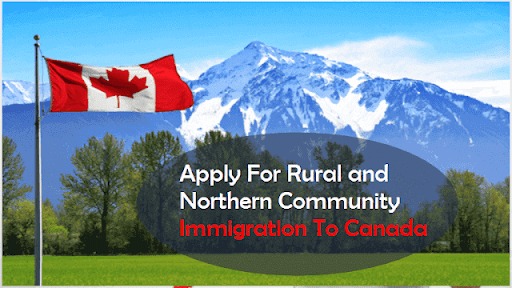
At International Immigration Law Firm, we assist skilled professionals and families who wish to settle in Canada’s smaller communities through the Rural and Northern Immigration Pilot (RNIP). This unique federal immigration initiative opens new doors for foreign workers seeking a permanent and peaceful life outside of Canada’s larger cities.
The Rural and Northern Immigration Pilot is a five-year federal immigration program introduced to support the long-term economic growth of smaller and remote communities by connecting them with skilled foreign workers.
This community-driven program empowers local towns and cities to select immigrants who want to live, work, and integrate long-term into their area. It is specifically designed to:
Combat labour shortages in key sectors,
Address the effects of an aging population,
Help regional economies thrive through immigration.
Unlike major cities that already receive large numbers of newcomers, rural areas often struggle to attract and retain immigrants. RNIP provides a targeted and sustainable solution to distribute the benefits of immigration more evenly across Canada.
The Rural and Northern Immigration Pilot is ideal for:
Skilled foreign workers currently living outside or within Canada;
Temporary foreign workers and international students who have recently graduated from a community college or university in a participating RNIP community;
Individuals who want to settle permanently in a smaller, tight-knit Canadian community.
Applicants must meet federal eligibility requirements as well as specific criteria set by the participating community.
To qualify for RNIP, you must:
You must receive a genuine, full-time, non-seasonal job offer from an employer in one of the participating RNIP communities. The position must meet the required National Occupational Classification (NOC) skill level.
You must have at least one year of continuous work experience in the last three years, OR
Be an international graduate of a post-secondary institution located in the participating community.
Meet minimum language requirements (CLB 4 to 6), depending on the NOC level of the job offer.
Have the equivalent of a Canadian high school diploma or higher. If you studied abroad, an Educational Credential Assessment (ECA) is required.
Show proof of funds to support yourself and your family upon arrival in Canada (unless you are already legally working in Canada).
You must demonstrate your intention to live in the specific community that is recommending you.
As of now, the RNIP includes selected communities across Ontario, Manitoba, Saskatchewan, Alberta, and British Columbia. Examples include:
North Bay, Ontario
Brandon, Manitoba
Moose Jaw, Saskatchewan
Claresholm, Alberta
Vernon, British Columbia
Each community has its own application process, job portal, and additional eligibility rules tailored to local needs.
To be eligible to participate in the pilot, a community must:
Have a population of 50,000 or less, located at least 75 km from the core of a Census Metropolitan Area, OR
Have a population of up to 200,000, and be considered remote according to Statistics Canada’s Remoteness Index.
The selected communities must demonstrate their capacity to support newcomers, including employment services, settlement agencies, and local infrastructure.
The RNIP involves both federal and community-level approval:
Secure a Job Offer
Apply for an eligible job in a participating community. Employers may list open roles on local RNIP job portals.
Apply for Community Recommendation
Submit an application to the local RNIP community for endorsement. If approved, you’ll receive a community recommendation letter.
Apply for Permanent Residence
With the community recommendation, submit your application to IRCC (Immigration, Refugees and Citizenship Canada) for permanent residency under the RNIP stream.
Optional: Apply for a Work Permit
While waiting for your PR application to be processed, you may be eligible to apply for a work permit to start working sooner.
Faster PR Processing: RNIP offers a quicker and more direct route to permanent residency than many traditional pathways.
Lower Language and Education Requirements: Especially compared to Express Entry.
Community-Based Support: Newcomers benefit from strong community engagement and personalized settlement services.
High Demand in Many Sectors: Such as healthcare, hospitality, agriculture, construction, and transportation.
Navigating the RNIP involves coordination with both local communities and the federal government. Our legal team will help you:
Assess your eligibility based on your work experience and qualifications;
Find and apply for approved RNIP jobs;
Prepare your community recommendation application;
Compile a complete PR application with all required supporting documents;
Avoid delays and common mistakes that can result in refusal.
At International Immigration Law Firm, we believe that Canada’s smaller towns and cities offer incredible opportunities for families and professionals to build fulfilling lives. Whether you’re a caregiver, skilled tradesperson, or international student graduate, the RNIP may be your perfect pathway.
Copyright 2024 Consultvisa, All rights reserved.